It’s not too late to archive old disks

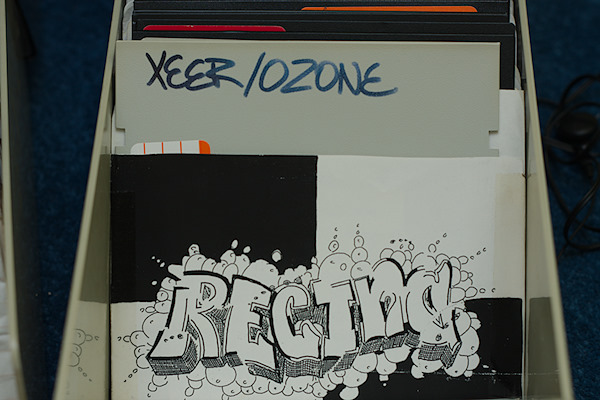
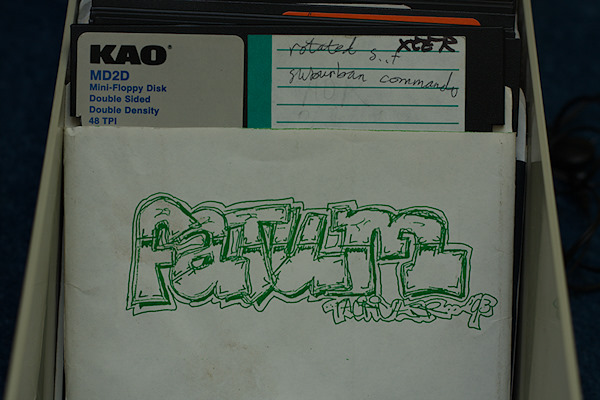
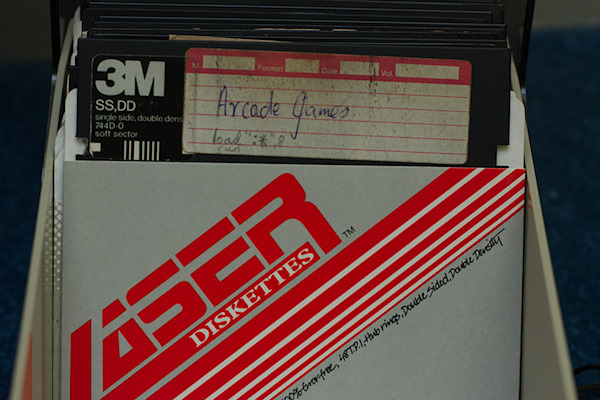
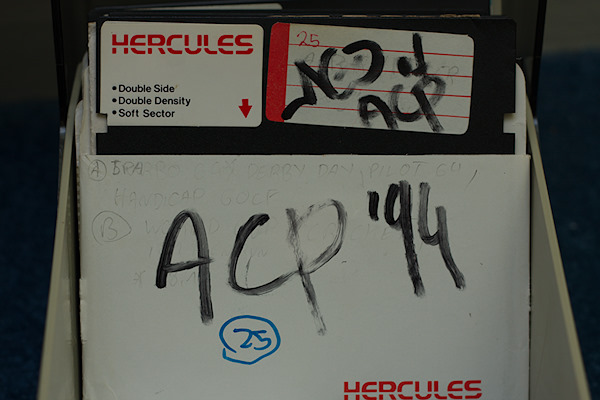
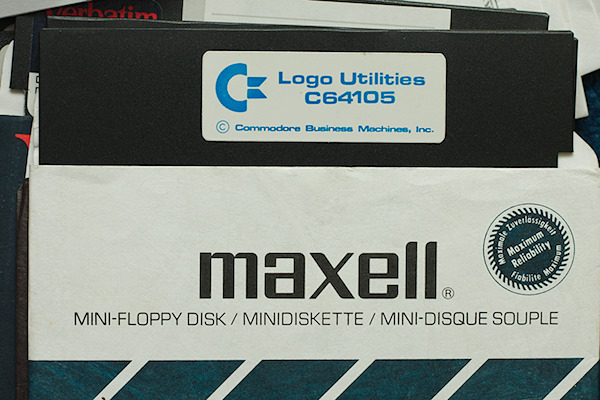
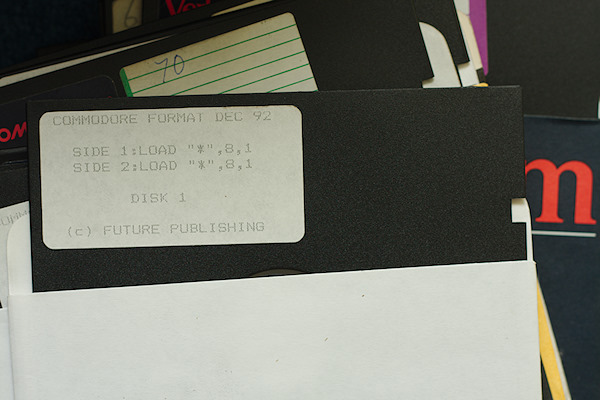
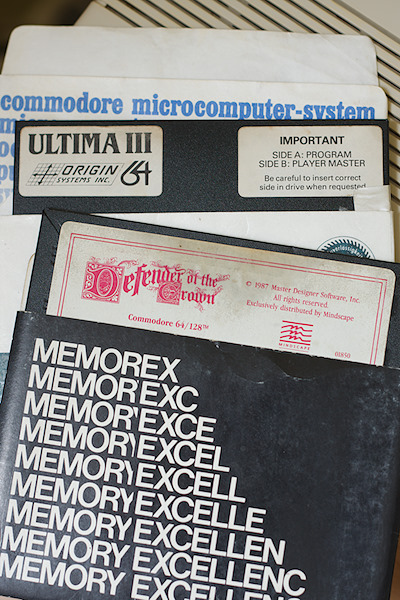
I have a collection of around 300 Commodore 64 5 1/4 disks. They were last used around 1995 and were kept in an unheated, sometimes damp room in my family home. It’s not all bad, I kept them in proper disk boxes so the disks were mostly upright during that time and not horizontal and pressing down on each other. For a long time I wondered about transferring the disks to more permanent and modern media.

When I had an Amiga I joined it and the C64 together using some sort of serial cable and an ASM programme I painstakingly typed into my C64 from the Amiga. Then when PCs became popular I hooked my 1541-II disk drive to the parallel port of my 486 and transferred over some of my own demos but nothing else. Unfortunately with the passage of time parallel ports became as rare as the Dodo and more complicated cables are now required which discouraged me from trying to build them.

So I did a little shopping last month.

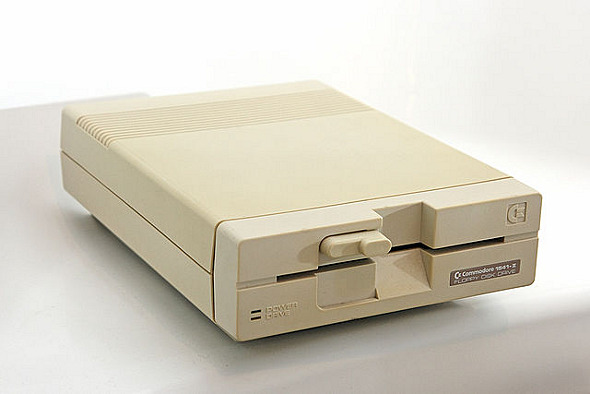
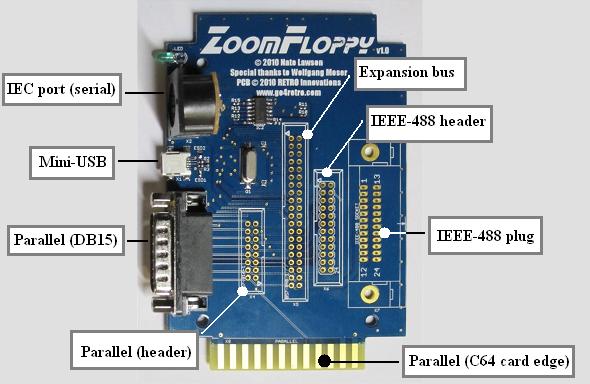
On Ebay France I found an old Commodore 1541-II disk drive in pristine condition. The Irish Ebay site was useless and I couldn’t find any local drives. I bought a Zoom Floppy from Jim Brain in the USA. That’s a USB interface you can use to connect the 1541 to a modern PC. You can use the ordinary IEC cable that came with the 1541 or a parallel port variant to “nibble copy” protected disks.

Shortly after ordering both of those I read this post saying it was too late to archive disks. The author, Jason Scott, warned that we had left it too long to move everything off old floppy disks and other magnetic media. Too much time had elapsed. The magnetic signature of the data would have degraded, the media dirty and unusable. I was worried.

Back in the day I had swapped disks with people all over Europe and further beyond. It was my first contact with people from Germany, Denmark, Poland, Belgium and elsewhere. Stuck on those disks were notes and personalised collections of demos and programmes that couldn’t be found online.

The disk drive arrived first, then a few days later the Zoom Floppy interface. Was it too late? Thankfully no.

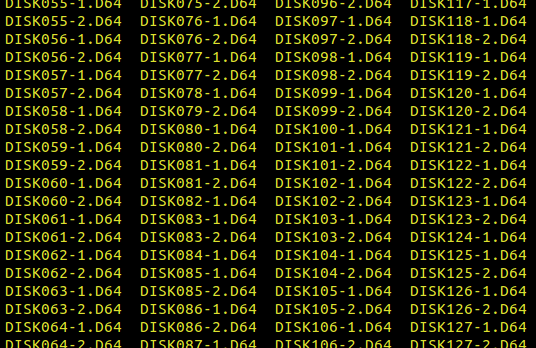
I’ve transferred 243 disks now and I’m not finished yet. I couldn’t rescue all the disks I tried. In some the media had stuck to the outer covering. In others the magnetic media was so dirty it wasn’t readable. By the time I got to 180 double sided disks done the disk drive packed it in giving the ominous “74, DRIVE NOT READY” error. All it took was a swipe of an alcohol swab over the drive head and all was right with the world again. Then I retried one of Iain’s disks and it died again so that disk will remain uncopied! As luck would have it some of the disks that would inevitably fail were those I used often and had snippets of code, graphics or music on them! I guess less than 10% failed however which isn’t bad for 20 year old magnetic media.

After a number of failures I went searching online for disk images when I recognised directory listings. CSDB is invaluable, and the Binary Zone disks section lists all the disks they offered. I remember buying demos from there so it was great to get the disk images. I sent Kenz a PayPal donation to thank him for his efforts.

I found many interesting things, including stuff that isn’t online. Some of it I have to talk to a few people about but I found something called DMSREAD (and related utilities) for creating disk images. The nice thing about it was that it would break up the image into smaller files so you could squeeze in an extra disk at the end of a double sided disk. Very important when you had to pay postage! Nothing about the C64 version online that I can find.

Setting up the Zoom Floppy was easy. It comes with no documentation (beyond a copy of the GPL) but the xum1541 homepage has the required install files. I used CBMXfer and GUI4CBM4WIN, both frontends to the Open CBM library to read the disks.
Also read about Rob’s experiences with the Zoom Floppy. I definitely recommend it if you need to connect a Commodore drive to a modern PC!

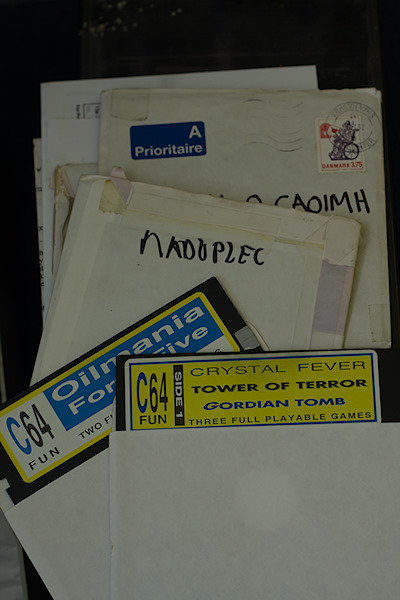
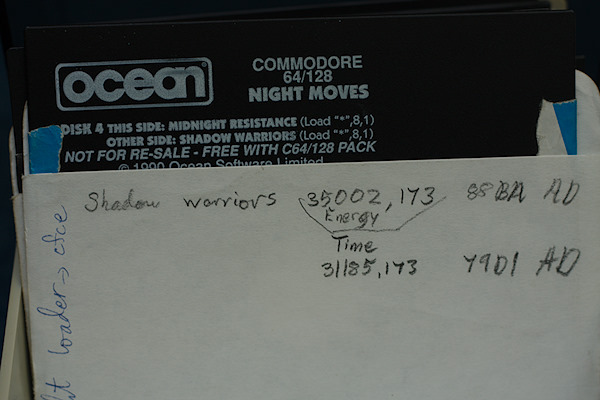
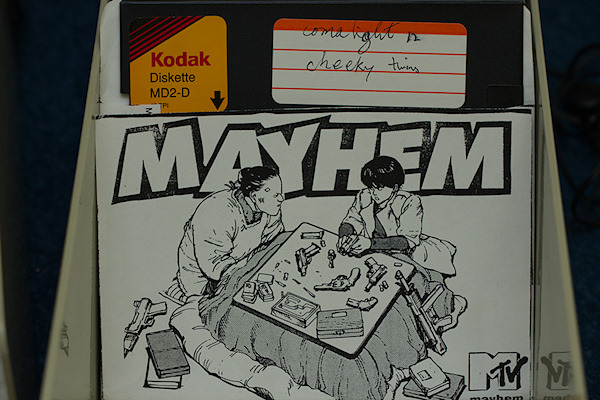
Once I’m satisfied with my archive I’ll probably throw out the disks but can they be recycled? I presume so. I’ll miss them though. A directory listing of D64 images can’t hope to compete with the variety of disk covers and hand written labels!

This 5 years of my personal data amounted to less than 130MB of data. I’ll run through that amount of space today in half an hour of taking photos so I shudder to think how much storage I’ll need in another 20 years time. I use 1.6TB of the space on an external 2TB drive and I find that external USB drives fail every 2-3 years. I’m currently waiting on a new 2TB drive to replace two 1TB drives that died recently (they mirrored each other so no data lost, unless this 2TB drive dies. Gulp!) but I’ll probably go down the route of a gigabit network and a NAS when I can afford it. Any suggestions for a quiet NAS enclosure are more than welcome in the comments section please!
Batman Forever

Batman Forever is an amazing looking Amstrad CPC demo made last year and won first place in the CPC Demo compo at Forever 2011.

Stunning artwork, great effects but perhaps a little bit of the old school yard “my computer is better than your one” in there too. Not too fond of the Commodore 64 are they? 😉

Also check out pushnpop.net, an Amstrad demoscene website! It even has an article on cross-platform development using Linux and Vim!

Thanks Keith for leaving a comment in my last post about this demo. Well worth watching!

In related news, the 1541-II I ordered last week arrived this morning. I’m waiting on the zoomfloppy USB interface to connect it to my laptop now. Fingers crossed it’ll work and it’s not too late for my 20 year old Commodore 64 5 1/4 discs. I tend to agree that if it wasn’t for piracy ancient games would be lost to history now ..

Amazing C64 and Speccy Pixel Art

Computers have always been home to amazing artwork. The C64 has so many graphics modes that artists were spoiled for choice near the end of the machine’s life. Luckily, artists are still working on the machine and releasing stuff even now!


You can find some amazing Commodore 64 artwork on c64pixels.com and it’s even sorted by graphics format like hires, FLI and others.

There’s also a comprehensive and detailed collection at CSDB of course but it does have a gallery. You’ll have to click through to each image to view it.


Here’s a wonderful ZX Spectrum gallery. The Speccy was known for attribute clash but despite this you can create really amazing work if you know what you’re doing. Check out this Binary Zone tribute to Speccy artist David Thorpe. You will recognise the loading screens!

Mastering Machine Code on your Commodore 64

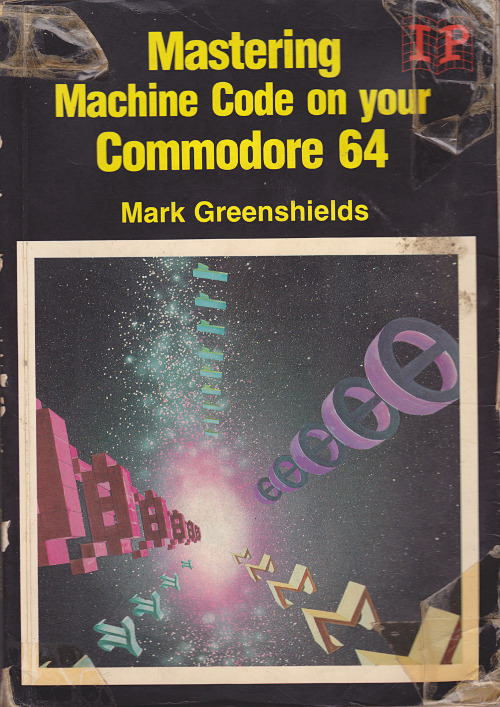
Before the internet became popular and the web was still in diapers I had a Commodore 64 at home. “Mastering Machine Code on your Commodore 64” by Mark Greenshields was the first programming book I owned that wasn’t full of BASIC listings and opened my eyes to the wonders of low level assembly development. It was a daunting task learning machine code on my own but I devoured the book and learned so much by looking at the code in demos and games of the time.

The book was originally published in 1984, and I discovered it in a small bookshop next to Paul Street Shopping Centre in Cork sometime in 1990 or 1991. I still remember the excitement I felt at finding any book on the subject. The city library had books on computers, even one or two on building robots and things you could connect to a computer but nothing that explored the C64 in depth.

Based on what I learned in that book and from hacking demos with the aid of an Action Replay I was able to do quite a bit. Nothing amazing but I’m proud of what I did along with others in my demo group way back 20 years ago. I was 16 at the time. I wonder what I’d be hacking on now if I was that age?

You can find a zip file with all our demos in this post. Commodore 64 emulator required!

While flicking through the book I stumbled upon a favourite section, the one on interrupts which I’ve scanned and posted the first two pages of in this post. Here’s another doc on this subject, with the same example code flashing the border 60 times a second. Happy memories.

What was your first programming book?

Ghosts ‘n Goblins is much easier..

Games are a hell of a lot easier when they’re trained! Ghosts ‘n Goblins was one of the first games I dived into to see how it worked back in the day. Earlier I played a remix of it’s soundtrack and fired up the game afterwards. I remembered it was hard but compared to games today it’s a demon!

Luckily it was trained and my son and I had an enjoyable half hour shooting the baddies and jumping from platform to platform. I wish the compatible joysticks from back then had more than one button, left/right and up to diagonal jump is a PITA!

In case you’re wondering, a trained game is where the game has been hacked and various cheats added. Usually a fancy intro with swirling graphics and music is added at the start and the group that has hacked the game give you the option of adding infinite lives, time, invulnerability or whatever suits the games. Practically every C64 game you’ll find online has these features now. 🙂

Prince of Persia for the C64

Prince of Persia, an amazing game released in 1989 on the Apple II and ported to most platforms of the day but not the Commodore 64 for some reason.

In 2 days time the game is due to be released on the C64 in EasyFlash format, a cartridge format for the C64 but luckily Vice also supports it so I’ll be able to play it under emulation. Looks great doesn’t it?

Edit: Announcement post and download page for C64 Prince of Persia!

I was a big fan of Stunt Car Racer on th…

I was a big fan of Stunt Car Racer on the C64, and later played it on the Amiga too but I never knew about Stunt Car Racer TNT.

TNT is an extra tracks mod of the Amiga version released a few years ago by AmiGer. Here’s his announcement post:

Stunt Car Racer TNT (The New Tracks) will be released around christmas.

Modifications

Eight new tracks:
DIZZY DESCENT, WITTY WAY, CRAZY CAPER, AMAZING ADEPT, JERKILY JUMP, EVILLY EPISODE, TEASING TEMPER and RAT RACE

Track parameters changed:
start positions, start height, damage sensitivity, boost count

AI speed adjusted/changed for all tracks

Some visual adjustments
e.g. race colours, track names gfx dropped, title screen modified etc.

AGA fixed

Cracked 🙂

Long time readers will know my dislike for Blur and I’ve hardly played NFS Hot Pursuit since I got it last month but Stunt Car Racer gripped me like no other racer since. It required perfectly timed boosts, cornering and was literally a rollercoaster of a ride.

Rocky Memphis and The Temple of Ophuxoff

If you’re an older gamer who loved the classic gameplay of Rick Dangerous and other platformers you’ll love Rocky Memphis and The Temple of Ophuxoff, a freeware game made by Trevor (Smilia) Storey and Stuart Collier.

It’s a huge 600 screen platformer to explore so this won’t be finished quickly. It’s “casual gamer” friendly too as there are infinite lives and you can save the game at any time, and you can upload your top scores to the game website. It’s also available for Windows and Mac OS X so you (probably) don’t have any excuse for not trying it!

Here’s an interview with the authors including titbits about their Last Ninja remake, and news of their Myth remake too. They also shed some light on sales of the commercial Armalyte remake. If I had a PC I’d buy that in an instant!

VVVVVV Preview

I have a new favourite game and it’s VVVVVV. I’d never heard of this game until this post brought it to my attention.

Apparently it’s an indie hit on modern platforms, but here it is for the venerable C64! Having played it I’m tempted to buy the modern original game and I’m looking forward to seeing the final C64 version!

So, go grab a C64 emulator like Vice or any of the other ones out there and give it a whirl. If you’ve no idea what I’m talking about check out the faq on c64.com.

Great game.